
Zinc & Selenium: Two Essential Minerals for Men’s Health
Understanding how trace minerals contribute to normal cellular, reproductive, and immune function.
Zinc and selenium are required in relatively small quantities, yet both play important roles in human physiology. They contribute to enzyme activity, cellular protection, and the normal functioning of several organ systems.
Because these minerals are frequently included in men’s health supplements, understanding their actual biological roles can help consumers make informed decisions.
Why Is Zinc Important?
Zinc participates in hundreds of enzyme-mediated reactions. It is involved in protein synthesis, DNA synthesis, wound healing, and immune function.
Zinc also contributes to normal reproductive physiology. Severe zinc deficiency can disrupt normal hormonal and reproductive function, although this does not mean that additional zinc increases testosterone or fertility in men who already have adequate zinc levels.
What Does Selenium Do?
Selenium is incorporated into specialized proteins called selenoproteins.
These proteins include enzymes involved in antioxidant defense and thyroid hormone metabolism.
One example is glutathione peroxidase, which helps regulate certain oxidative processes within cells.
Selenium is also important for normal male reproductive physiology, but supplementation has not been reliably shown to improve fertility outcomes in otherwise selenium-replete men.
Antioxidants and Cellular Health
Normal metabolism produces reactive oxygen species. The body uses interconnected antioxidant systems to maintain cellular balance.
Zinc and selenium contribute to these systems through different biological mechanisms.
However, oxidative stress is complex. Taking large amounts of antioxidant supplements does not automatically translate into better health outcomes.
How Much Do Adults Need?
According to the US National Institutes of Health:
- Adult men generally require 11 mg of zinc daily.
- Adult men generally require 55 mcg of selenium daily.
The adult tolerable upper intake levels are 40 mg daily for zinc and 400 mcg daily for selenium from all sources.
Excessive zinc intake can interfere with copper status, while excessive selenium intake can cause selenosis, including hair and nail abnormalities.
Zinc and Selenium in Super Prostate Health
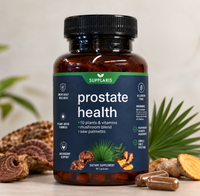
Supplaris Super Prostate Health contains 13 mg of zinc and 55 mcg of selenium per three-capsule serving, based on the product’s ingredient information.
These nutrients contribute to the formula’s nutritional profile and support normal physiological functions.
Their inclusion should not be interpreted as evidence that the finished supplement prevents prostate disease or treats urinary symptoms.
Frequently Asked Questions
Does zinc increase testosterone?
Zinc deficiency can affect normal reproductive function, but taking extra zinc has not been established as a reliable testosterone booster in men with adequate zinc intake.
Is selenium good for the prostate?
Selenium has important physiological roles, but supplementation has not been shown to prevent prostate cancer. Large prevention trials have not demonstrated the expected benefit.
Can I take both minerals together?
Both are present in many multinutrient products. Total intake from food and all supplements matters, particularly when combining products.
Explore Super Prostate Health
Discover the minerals, botanical extracts, and antioxidant nutrients included in the Supplaris Super Prostate Health formula.
Scientific References
- NIH Office of Dietary Supplements. Zinc — Fact Sheet for Health Professionals. https://ods.od.nih.gov/
factsheets/Zinc- HealthProfessional/ - NIH Office of Dietary Supplements. Selenium — Fact Sheet for Health Professionals. https://ods.od.nih.gov/
factsheets/Selenium- HealthProfessional/ - Lippman SM, et al. Effect of Selenium and Vitamin E on Risk of Prostate Cancer and Other Cancers: The SELECT Randomized Controlled Trial. JAMA. 2009;301:39–51. https://doi.org/10.1001/jama.
2008.864
Disclaimer: Educational content only. Dietary supplements are not intended to diagnose, treat, cure, or prevent disease.
These statements have not been evaluated by the Food and Drug Administration. This content is for general information only and is not intended to diagnose, treat, cure, or prevent any disease. Talk to your healthcare provider before starting any supplement.